
Packing for the arrival season
The suitcase needs another look before departure from a US winter for Buenos Aires in January. Argentina is in the Southern Hemisphere, so the seasonal cycle is reversed: December through February are broadly summer months, June through August winter, with spring and autumn between them. That inversion is the first planning correction, but it does not mean every Argentine destination has the same weather on the day you arrive.
For practical planning, September through November broadly correspond to spring and March through May to autumn, although weather does not switch neatly at a calendar boundary. A warm spell, cold front, storm, or local hazard can override the expected seasonal pattern. Climate should guide what to investigate, while current official forecasts and alerts should guide decisions on travel, packing, and the final days before the move.
Argentina extends across very different latitudes and elevations, with humid eastern areas, dry western regions, high mountains, and southern climates. City weather is not a proxy for a nearby mountain route, and national averages are weak evidence for a particular apartment. Inclusion of the destination and travel route in the plan, with any domestic connection, avoids assigning one summer or winter packing list to the entire country.
Buenos Aires, Córdoba, and Mendoza need different rooms
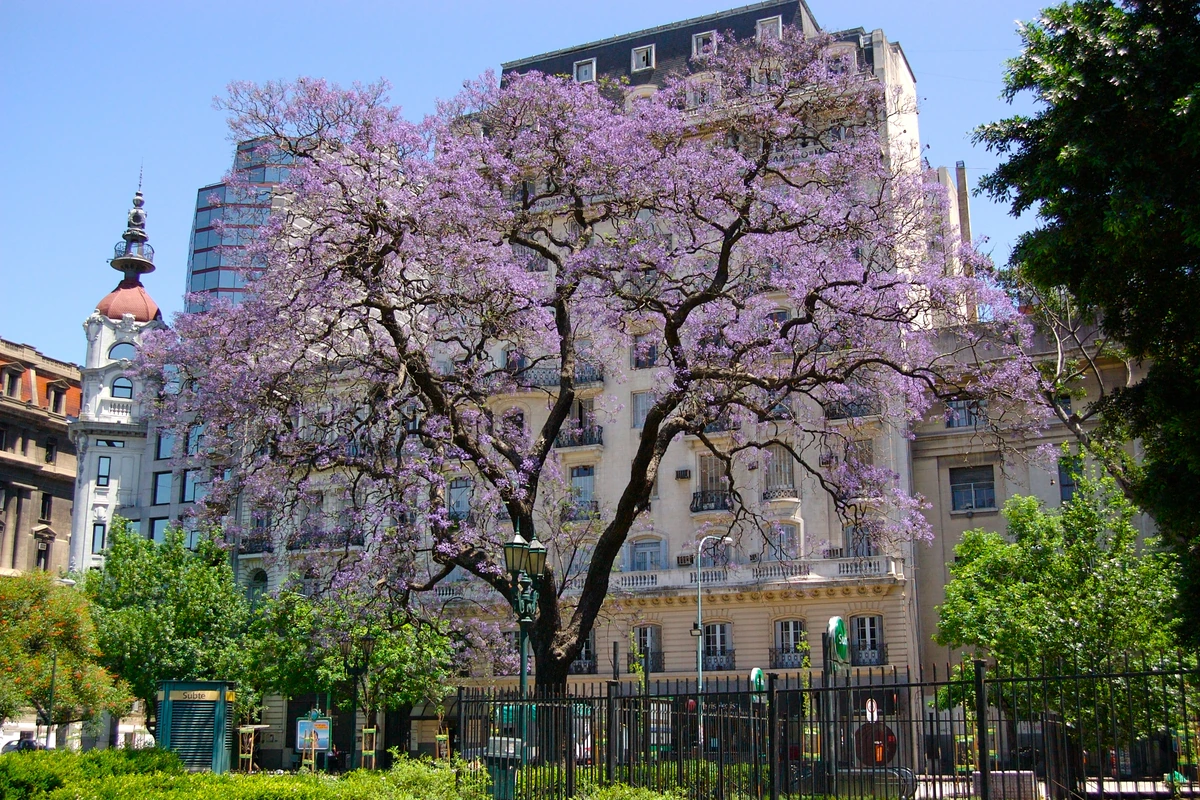
Buenos Aires has hot, humid summer weather and generally milder winters than many northern US cities, with rain possible throughout the year. Humidity, sun exposure, ventilation, and cooling can dominate apartment comfort during a hot spell. A relatively moderate outdoor winter does not prove the interior will be comfortable, so heating, window seals, damp, and the rooms where you will work need inspection instead of climate labels translating directly into housing expectations.
Córdoba's inland setting brings hot summers, summer storms, and cooler winters, with differences between the city and higher surrounding areas. Shade on the school route, drainage near the building, and reliable cooling deserve inspection alongside the apartment itself. A plan to spend weekends in the sierras also needs its own forecast and road check; conditions at elevation should not be inferred from a warm afternoon in the city center.
Mendoza is much drier, with hot summers, cool to cold winter conditions, and irrigation shaping the settled landscape. Dryness does not eliminate weather disruption: Zonda wind episodes, storms, and mountain conditions can alter plans. Alongside checks of shade, heating, cooling, water arrangements, and local alerts, any Andes crossing or mountain outing requires a separate travel decision with current route information rather than an extension of the urban forecast.
The north and Patagonia resist a single forecast
Northeastern Argentina is generally warmer and more humid, while the northwest changes sharply with elevation and location. A city in a valley, a high-altitude settlement, and a subtropical lowland destination do not share one useful packing rule. The actual stop and season need research, especially for heat, rain, and access; a general description of northern Argentina does not settle the needs of every member of the household.
In the northern Patagonian lake district, including Bariloche, winters are generally colder and wetter than summers, with snow and ice relevant to travel and higher ground. Summers tend to be relatively drier, but cool periods and local variation remain possible. The drier Patagonian steppe differs from the Andean lakes, and wind can be a significant practical factor; a lakefront summer visit cannot establish what an exposed inland or coastal address will feel like.
Farther south, cooler conditions and stronger seasonal differences in daylight can reshape the household schedule. Ushuaia, for example, is not a warmer version of a northern lake town simply because both are grouped under Patagonia. Shorter winter days, longer summer evenings, road exposure, and heating requirements belong in the move comparison, with the specific property's access and systems tested rather than inferred from photographs of the surrounding landscape.
Actual constraints determine the moving window
Spring and autumn can offer workable scouting conditions in many cities, but neither is a universally best moving season. School calendars, admission appointments, work start dates, immigration procedures, rental availability, and healthcare continuity may matter more than comfortable walking weather. Direct confirmation of institutional dates should leave weather as one layer of the schedule; a mild arrival week is not useful if the service that makes the move possible is unavailable.
Summer travel and holidays can affect staffing and accommodation demand, while lake-district rentals may also face a winter tourism peak. Those patterns are reasons to ask about current availability, not to assume that a whole city shuts down or that every shoulder-season quote is a bargain. Before non-refundable bookings, dated accommodation terms and provider appointments should be secured, with a flexible interval for a delayed flight, inspection problem, or changed handover.
A trial stay is most revealing when it includes conditions that could make the home fail: heat for a poorly ventilated apartment, cold for a lightly insulated house, or wet weather for an awkward access route. The missing evidence needs an explicit label if you can only visit in a comfortable season. Requests for building maintenance information and utility arrangements, together with an exit option, address that uncertainty instead of treating an untested season as an issue already resolved.
Weather in the arrival routine
Clothing, prescriptions, essential records, chargers, and basic work equipment should remain accessible rather than depending on a shipment arriving with you. For travel across regions, the packing plan should include adaptable layers, with baggage and ground-transport arrangements checked for the actual route. The useful contingency is specific: where you will sleep if a connection fails, how you will reach the property in bad weather, and who can admit you if the arrival time changes.
Confirmation at the property should establish how heating and cooling operate, who holds utility accounts, how faults are reported, and whether equipment needs qualified inspection. Drinking-water arrangements, drainage, window condition, and safe ventilation need checking as relevant to the building. For central heating, air conditioning, or insulation, assumptions from a US home are not a reliable guide; two apartments in the same city can provide very different indoor conditions during exactly the same forecast.
Consultation of current official weather alerts, road information, and the carrier's operating notices belongs in the days before departure and again before a regional journey. Severe storms, snow, heat, wind, wildfire, or smoke may require a change that a seasonal guide cannot predict. Emergency contacts and the address should be available offline, with the moving schedule revised when conditions warrant it; the calendar is a planning aid, not a promise that the route or building will behave as expected.
Questions readers ask
Are Argentina's seasons opposite those in the United States?
Yes. Summer broadly falls in December through February and winter in June through August. Local weather still varies substantially by latitude, elevation, and region.
What is the best season to move to Argentina?
There is no single best season. Spring or autumn may suit some scouting trips, but housing, school, work, care, appointments, regional conditions, and the household's flexibility should determine the window.
Does Buenos Aires get the same winter weather as Bariloche?
No. Buenos Aires generally has milder winters, while Bariloche and the Andean lake district have colder winter conditions with snow and ice relevant to access. The exact route and elevation still matter.
Can I judge an apartment from a summer visit?
You can inspect many practical details, but a summer visit does not verify winter heating, damp, or cold-weather access. Record the untested season and seek building-specific evidence before a long commitment.
Sources and review notes
These official pages set the factual boundaries for this article. Check the current versions when your plans or circumstances change.
- National government information and servicesArgentina.gob.arOpen official source
- Official weather forecasts and alertsServicio Meteorológico NacionalOpen official source