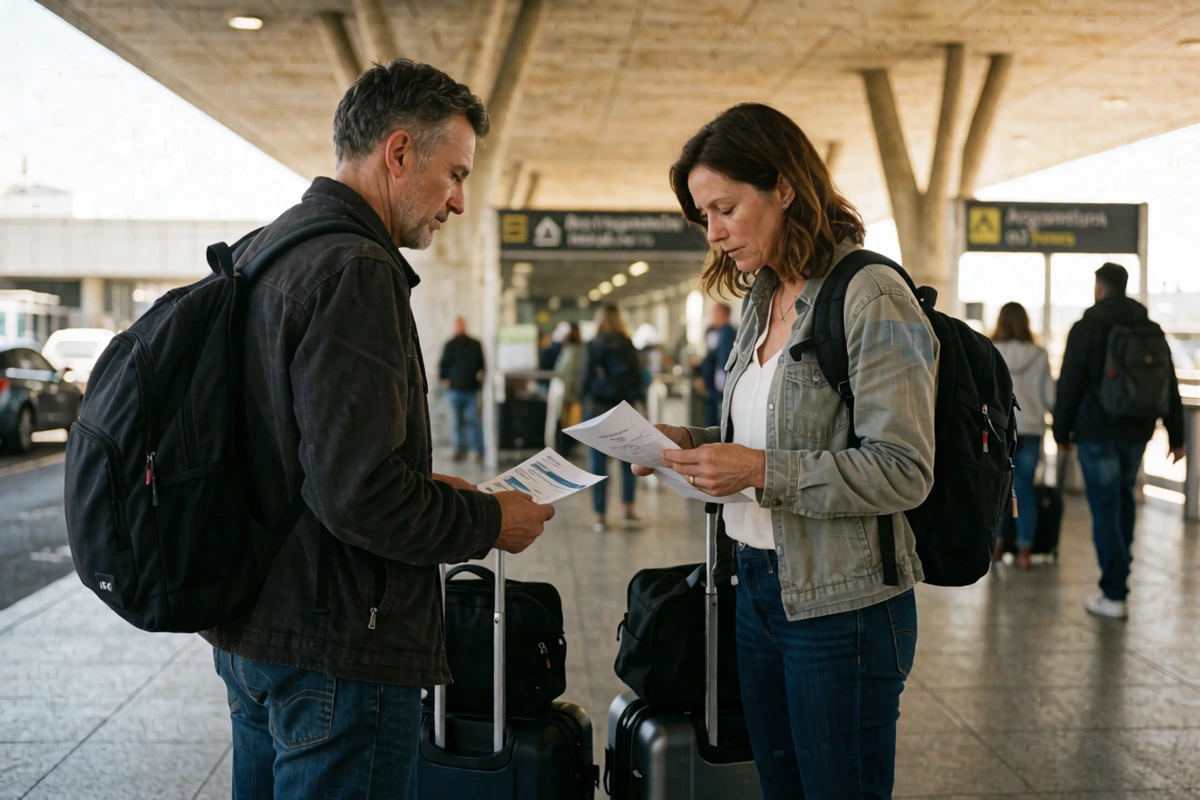
The study arrangement to make workable
A US citizen planning to study in Argentina should obtain current enrollment or admission information from the institution and read Argentina Migration's student residence procedure. Confirm program length, institution recognition, start date, attendance, passport, criminal record, civil documents, apostille, translation, filing location, and permitted activity. Admission does not itself grant residence, and student residence does not automatically answer work, tax, or post-study status questions.
Student residence joins an institution's evidence to Migration's procedure without making them the same file. Record the recognized institution, program, enrollment dates, passport, records, address, and filing location, then compare what each authority actually requests.
Confirm the study program
Ask the university for the exact program name, level, and campus. Then confirm start and end dates, attendance, tuition, enrollment status, and recognition. A short course, exchange, language program, and degree can lead to different admission or Migration questions.
Keep the institution's letter and current contact details. A payment receipt may show a transaction while an enrollment letter proves a different fact. Ask which version the Migration procedure accepts and whether a change in program or campus requires an update.
Match admission to residence evidence
Open the student residence instructions and list every requirement by issuer, format, date, apostille, translation, and filing location. Check criminal and civil records only after the category's current wording is clear. An institution's admission checklist cannot replace a Migration requirement.
If the student is a minor or travels with family, add consent, custody, guardian, and healthcare questions. Keep those records separate from the adult's status file and ask the responsible authority about the actual arrangement.
Plan arrival and the study year
Put admission and residence filing dates on the calendar first. Then add travel, housing, healthcare, tuition, local transport, and academic dates. Keep accommodation flexible if a residence appointment or document is unresolved. Entry permission is not a guarantee that the student may remain for the program.
Ask the institution about attendance, renewal, leave, withdrawal, and address changes. Ask Migration what a program or status change means. Work, tax, and post-study choices need separate professional review instead of an assumption that student status covers them.
Next step: request a student evidence matrix
List institution evidence and Migration evidence in separate columns, then add issuer, date, apostille, translation, filing, and owner. Recheck both pages before submission and before travel. Save written answers about a changed program or start date.
Keep the institution's enrollment confirmation linked to the residence file but do not upload extra personal records that the procedure does not request. If the student's passport, address, sponsor, program, or attendance changes, ask both the institution and Migration which update is needed.
Student residence categories, institution requirements, fees, appointments, and evidence can change. Verify current Migration and school instructions before acting.
The student should keep two checklists. The institution owns admission, enrollment, attendance, tuition, program dates, and recognition questions. Migration owns the residence procedure and its evidence. Link the checklists by date, but do not use an admission letter as a substitute for a residence record. Confirm passport validity, background record, apostille, translation, filing location, and permitted activity before booking a nonrefundable trip or assuming that study permits work. That separation keeps study planning clear when a program date, address, sponsor, or residence rule changes.
Recheck both the program and residence instructions when dates, enrollment, or address change. Keep admission evidence linked to the residence file while sending only the records the applicable procedure names.
Questions for the institution and Migration
Does university admission grant an Argentina student residence?
Admission can be evidence for a current student category, but it does not itself grant residence. Confirm the Migration process, documents, filing location, and personal requirements.
Can a student work while studying in Argentina?
Do not assume student status permits every job. Check the current status and work rules for the actual employer, role, and dates with Migration or a qualified professional.
Details that connect school and status
- Verify the institution, program, dates, and recognition
- Compare admission evidence with the current Migration category
- Plan criminal, civil, apostille, translation, and filing steps
- Keep student status separate from work, tax, and later residence plans
The admissions and residence file
Keep the institution, program, enrollment date, student detail, and receiving authority beside each item. The institution or Migration procedure decides what is required.
- Admission or enrollment letter from the institution
- Program, attendance, start, and end-date information
- Passport, civil-status, and background records
- Apostille, translation, and filing location requirements
- Questions about work, health, housing, and post-study options
What can change before enrollment
Student residence, institution recognition, enrollment, attendance, evidence, and filing rules can change. Verify current information with Migration and the institution.
Sources and review notes
These are the official pages and institutions used for the factual boundaries in this guide. Read the current version again when the decision becomes real.
- Residencia para estudiantesDirección Nacional de MigracionesOpen official source
- ResidenciasDirección Nacional de MigracionesOpen official source
- UniversidadesArgentina.gob.arOpen official source
- Embassy of Argentina in the United StatesMinistry of Foreign Affairs of ArgentinaOpen official source